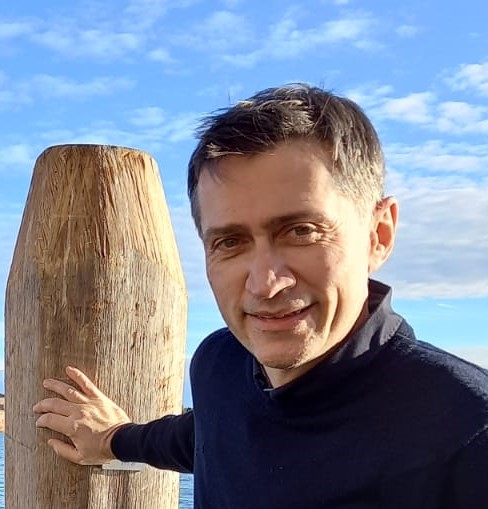
Prof. Michele Suman
Barilla Analytical Food Science, Parma, Italy & Catholic University of the Sacred Heart, Milan, Italy
Conference Title: Versatility of the GC-IMS technique: from the freshness of eggs, to oil fraud, to the origin of apples
Biography:
Prof. Michele Suman is a Food Safety & Authenticity Research specialist with over two decades of experience leading innovative research and development within the agri-food sector, with a track record of method development for studying contaminants, adulterants, authenticity markers and their transformation along food processing, pioneering new technologies as well. He has expertise in coordinating complex, internationally funded projects, and is dedicated to mentoring the next generation of professionals. Through collaboration with private and public stakeholders, he actively fosters innovation and advances the field.
Since 2003, Prof. Suman has served as the Food Safety & Authenticity Research Manager in Barilla Spa company. He is also an Adjunct Professor of AgriFood Authenticity at Catholic University Sacred Heart (Milan/Piacenza) and a Visiting Professor at University of Chemistry and Technology in Prague. Additionally, he chairs the Italian National Normative Organization (UNI) Food Authenticity Working Group and contributes as a member of several prestigious committees, including Joint FAO/WHO Expert Committee on Food Additives (JECFA), working groups for Biotoxins-Processing Contaminants-Food Authenticity in European Committee for Standardization (CEN), the ILSI Europe Scientific Advisory Committee, where he also serves as Vice Chair of the Food Contaminants Task Force, the Italian Cluster Agrifood Scientific Board, and the European Food Safety Platform Steering Committee.
His scientific impact is reflected in his Google Scholar H-index 32 & i10-index 69, Scopus H-index 28, Research Gate index 30. His scientific production is documented by 6 book chapters, 2 books edited, 180 contributions at national and international conferences and 130 papers in international ISI journals.
LinkedIn / ResearchGate
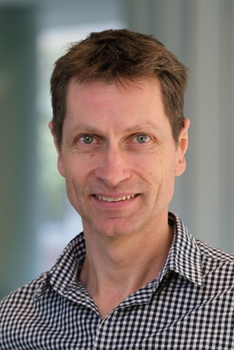
Dr. Stefan van Leeuwen
Wageningen Food Safety Research (WFSR), part of Wageningen University & Research, Wageningen, The Netherlands
Conference Title: The analytical toolbox for detection and identification of legacy and emerging PFAS in food production chains
Biography:
Dr. Stefan van Leeuwen is a senior scientist at Wageningen Food Safety Research, with expertise in analytical and environmental chemistry. Driven by a passion for enhancing food safety, he specializes in developing state-of-the-art chromatography-mass spectrometry approaches to detect trace levels of environmental pollutants like PFASs, chlorinated and brominated pollutants. Dr. van Leeuwen is also at the forefront of innovation in identifying unknown contaminants, including novel PFAS compounds, by creating a comprehensive analytical toolkit. His current research explores emerging food safety challenges in circular food production, assessing how potential pollutants could pose risks when waste- and by-products are repurposed in food production systems. Through his work, Dr. van Leeuwen is helping to pave the way for a more sustainable and safer future in global food production. He is a co-chair of the biannually organised conference series Recent Advances in Food Analysis. He is co-chair of the Core Working Group on PFASs of the European Reference laboratory on POPs.
 Prof. Amadeo Rodríguez Fernández-Alba
European Union Reference Laboratory for Pesticide Residues in Fruit & Vegetables, University of Almería, Spain
Conference Title: New trend in Multiresidue Methods: Achieving the maximum with the minimum
Biography:
Prof. Amadeo is a founder of The Pesticide Residues Group AGR159 created in 1995, recognized as a center of excellence by the Plan Andaluz de Investigación in Spain. He has coordinated 30 national/regional projects, over 60 research contracts with national and international companies, and participated in 16 European projects. His research has produced over 370 ISI-JCR articles (35,000+ citations, h-index 105) and 5 patents, along with 6 edited books, 17 book chapters, and supervision of 28 PhD theses. His work focuses on chemical evaluations using mass spectrometry to identify contamination hotspots, predict trends, optimize remediation technologies, improve legislation, and design control systems. Current research includes microplastic evaluation in the atmosphere using passive samplers on beehives and the reuse of reclaimed water in greenhouse crop production. He also leads studies on balancing food production with minimizing environmental impact, assessing contaminants from pesticides, fertilizers, pharmaceuticals, and plastics, and developing advanced oxidation processes for water and plastic waste treatment. Since 2006, he has been Director of the EU Reference Laboratory for Pesticide Residues in Fruits & Vegetables, contributing to European legislation on pesticide use and control, including the EU’s New Green Deal. Recognizing the laboratory's contribution to agronomic activities, biodiversity, and ecosystem sustainability, his team has also established a new line of work on the impact of contaminants on declining honeybees populations, participating in Spain’s National Plans for chemical analysis.
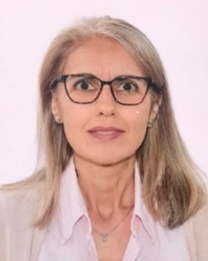
Prof. María Dolores Hernando Guil
CSIC, The Spanish National Research Council, EEZA Experimental Station of Arid Zones
Conference Title: Microplastics: A New Hidden Threat in Our Food?
Biography:
Prof. María Dolores Hernando Guil has participated in multiple national and international research projects, including 10 under the Spanish National R&D Plan, 3 European projects and 1 EU-Latin America cooperation project. Her work focuses on environmental contamination, pollutant behavior, and food safety, with emphasis on Persistent, Bioaccumulative, and Toxic (PBT) chemicals, Persistent Organic Pollutants (POPs), emerging contaminants, and microplastics. She has contributed to risk assessments, pollution control strategies, and conservation efforts, particularly in arid regions.
She has co-authored 105 JCR journal articles (h-index: 46, 8,000+ citations), 6 book chapters, and the HERWE risk screening tool for chemical pollutants in wastewater effluents. She has also contributed to UN and EU technical reports on chemical risk management and served as Coordinator of Spain’s National Reference Centers for the implementation of the EU REACH Regulation, the Global Harmonized System of Classification, and National Reference Center on Persistent Organic Pollutants (2007–2011).
Since 2023, she has been Head of the Department of Desertification and Geo-ecology at the Spanish National Research Council (CSIC). She has participated in more than 150 international conferences, 30 seminars for national business confederations, and supervised 8 PhD theses (with 5 ongoing). She also teaches in Ph.D., Master's, and technical training programs at several Spanish universities.
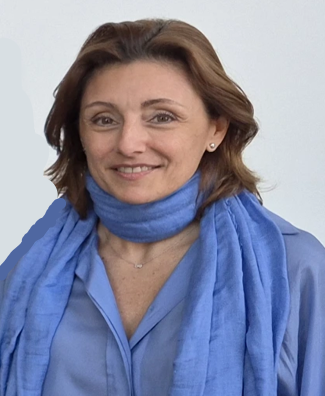
Dr. Marta Dabrio Ramos
European Commission’s Joint Research Centre
Conference Title: The Future of Food Analysis: Current Advances and Next-Generation Reference Materials
Dr. Dabrio Ramos holds a PhD in Analytical Chemistry from the Autónoma University of Madrid (UAM), Spain, followed by a postdoctoral stay at the Karolinska Institute in Stockholm, Sweden. After a brief period in the private sector, she has been part of the European Commission’s Joint Research Centre for over 20 years. She has worked on the production of Certified Reference Materials, initially as Head of the Laboratory for Small Molecules, and currently serves as Team Leader for Reference Materials for Food Analysis.
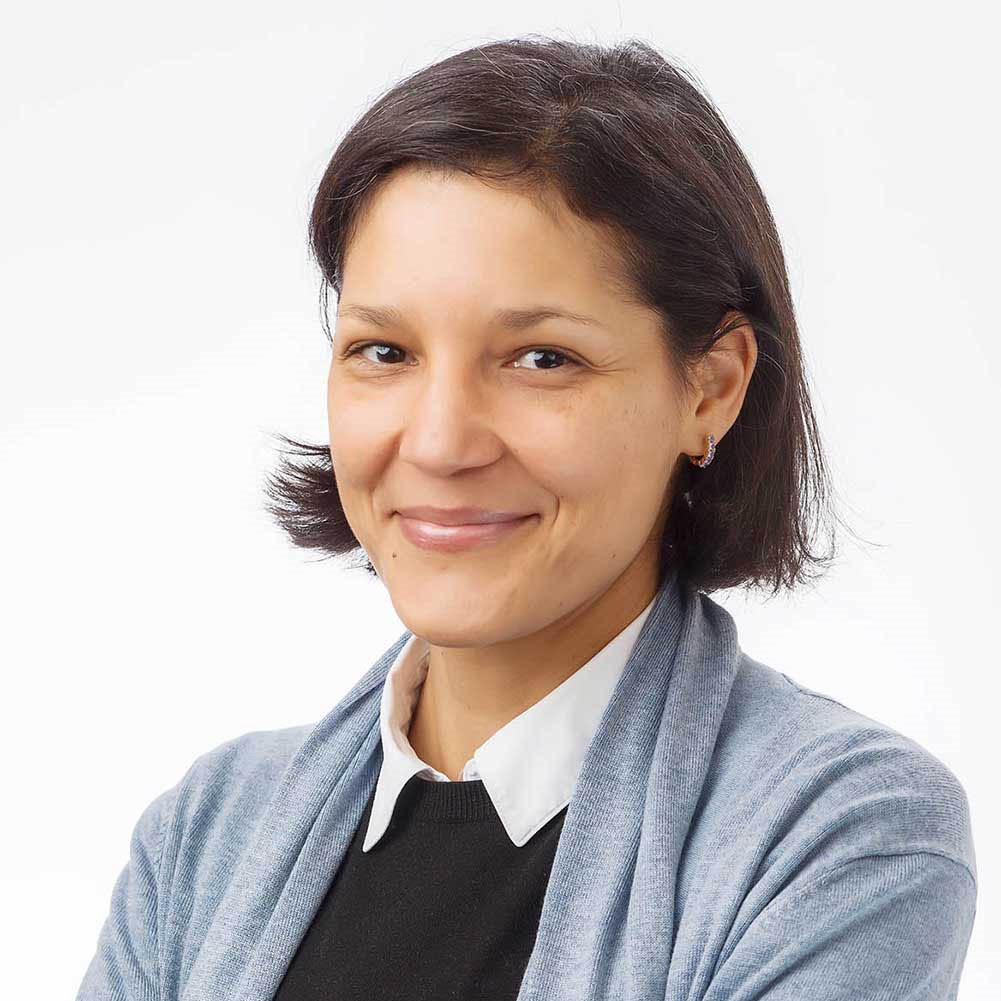 Séverine Goscinny MSc
Department of Chemical and Physical Health Risks, Sciensano, Belgium
Conference Title: From concept to laboratory work: challenges and innovation in method validation for food additives.
Séverine Goscinny is a Senior Researcher at Sciensano in Brussels, where she has committed 18 years to the Department of Chemical and Physical Health Risks. Her research focuses on the safety and thorough analysis of chemical substances within the food chain, especially flavourings and additives. This involves developing and validating advanced analytical methodologies for their precise detection and accurate quantification in food. Additionally, she carries out chemical analyses to identify and measure various chemicals, which helps refine dietary exposure studies. A key part of her role is risk assessment, where she carefully evaluates the potential risks linked to these chemicals in our food. She is also active in European food safety networks, promoting collaboration and knowledge sharing among colleagues across the continent.
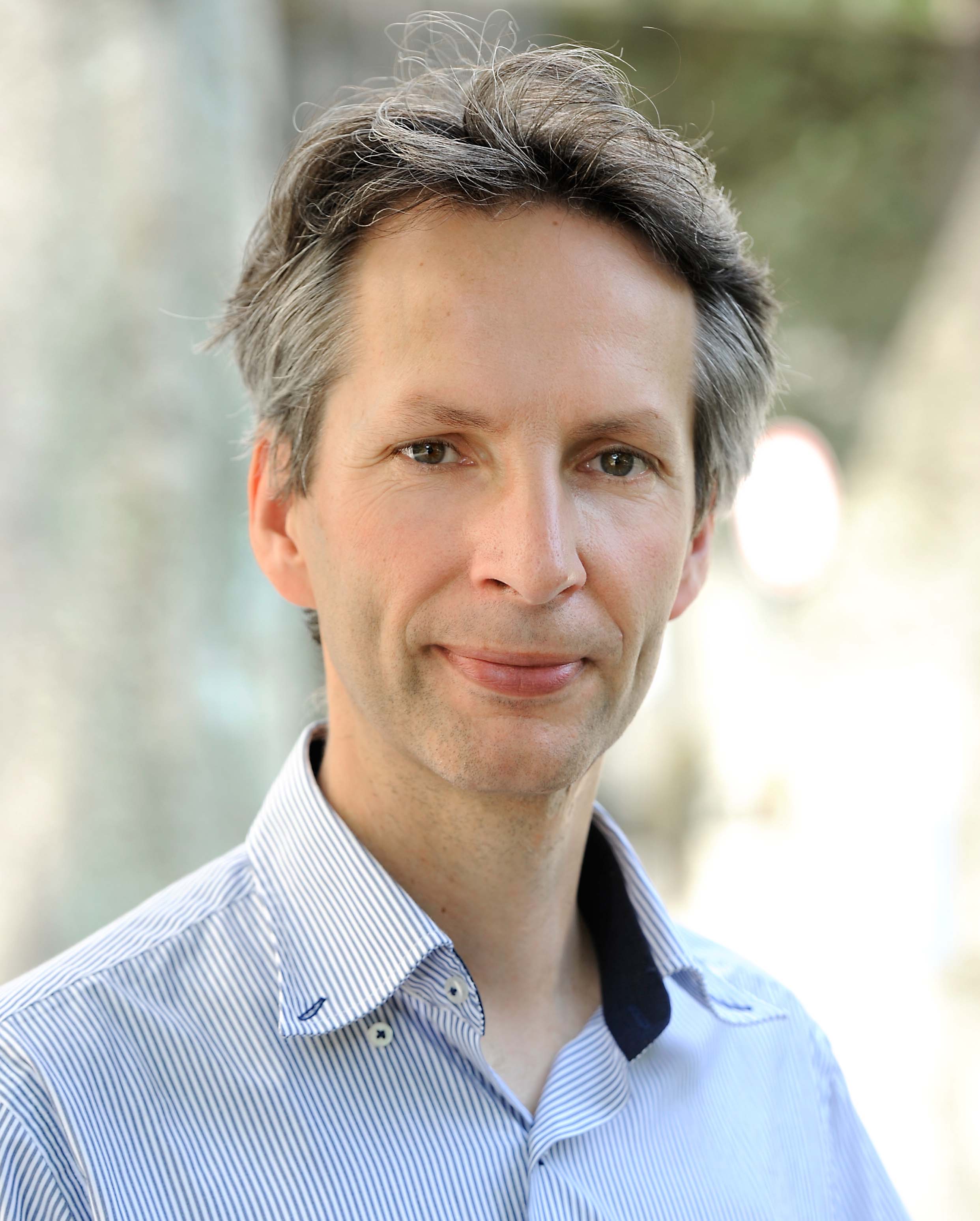 Prof. Dr. Michael Rychlik
Chair of Analytical Food Chemistry, Technical University of Munich, Germany
Conference Title: Stable isotope dilution assays for mycotoxins help assess the risk of plant-based meat alternatives
Prof. Dr. Michael Rychlik is heading the Chair of Analytical Food Chemistry at the Technical University of Munich, Germany (TUM). He graduated in food chemistry at the University of Kaiserslautern in 1988. His PhD studies on the flavour of bread were completed in 1996 and he was appointed full professor at the TUM in 2010. In 2015 he served as a Visiting Professor at the University of Queensland (UQ), Australia and in 2016 he was appointed an Honorary Professor at the latter University. In the last years he was also active as a Visiting Professor in 2016 at the National University of Singapore (NUS) and been teaching also in 2018 at the University of Hong Kong. In 2023 he was appointed a Visiting Professor at the University of Chemistry and Technology Prague. His group has been working for 25 years in the field of developing analytical methods for bioactive food components, in particular for vitamins, mycotoxins, odorants and lipids. Since 2014 he serves as the Head of the “Committee on Contaminants in the Food Chain” at the Federal Institute for Risk Assessment, Berlin, Germany.
Dr. Frans Verstraete
Official, European Commission DG Health and Food Safety
Conference Title: EU policy on contaminants in food: Recent developments, outlook and challenges.
Dr. Frans Verstraete graduated in 1985 as agricultural engineer at the University of Ghent (Belgium). After his studies he held positions at the University of Ghent and thereafter at the Belgian Ministry of Agriculture and he was for a period technical adviser of the Belgian Minister of Agriculture. He is working for the European Commission since 1997. In the European Commission he is working at the Directorate General Health and Food Safety. He is responsible for the elaboration, development and management of the EU-legislation on certain contaminants in feed and food.